7 Apps Like Depop for Reselling
by Jasmin Mipaña •December 23, 2025

Remember the old days when reselling secondhand clothes, furniture, and whatnots have to be through a garage sale or setting up a thrift shop downtown? Later, with the Internet came social media, and people began using it to resell secondhand stuff.
Then came reselling apps like Depop, which made reselling secondhand a hit among the younger populations. It’s wildly popular campaign “I got it on Depop” and "Depopamine" echoes sustainable fashion and became a popular choice for secondhand fashion shopping.
Truly, Depop is both an app that changed many reseller and buyer’s lives. If you have to resell, most recommend listing on Depop. But if you’ve got more than clothing and accessories to sell, or you feel overwhelmed by the sheer number of reselling platforms over there, don’t worry-we’ve got you.
This guide will walk you through Depop alternatives you can choose to expand your market reach-and gear you towards sales, sales, and more sales.
Depop’s Popularity and Impact in Online Secondhand Shopping
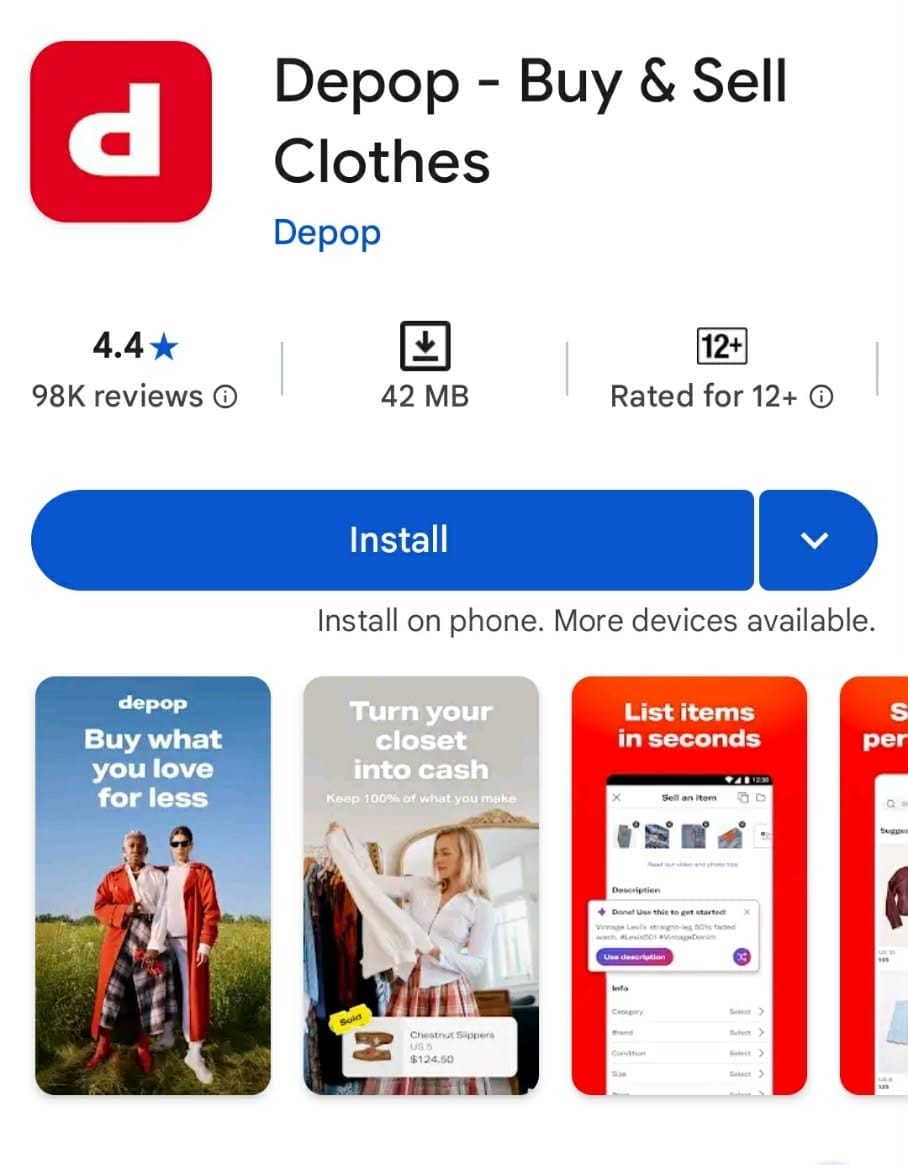
With over 43.5 million users, Depop is indeed a powerhouse platform when it comes to secondhand reselling. It has a strong, community-based marketplace and is wildly popular among Gen Zs and millennials.
Depop is a reselling platform that values social engagement. It’s three notable features, namely social feed, in-app messaging system, and use of hashtags, make it feel like a social media app rather than a marketplace app. As a buyer, you can make “saved collections” to check out later. Just this October 2025, they launched Outfits, a digital styling canvas where one can curate outfits like you would on a digital scrapbook, save the looks, and shop for them.
These features are tailored for interaction and engagement, and definitely far from a traditional online shopping experience. Campaigns like “I got it on Depop” show users that great outfits can be also sustainable. Depop’s photo-rich listings contribute to the app’s visual nature, appealing to younger buyers.
However, some sellers and buyers also choose to explore Depop alternatives. One of the reasons include Depop’s focus on clothing and related accessories, making this market a bit saturated for some.
Depop also has some challenges in moderations, and scams abound the platform. One of the newest scams involve “items not received”, receiving a suspicious link, or asking for your number.
Why Explore Apps Similar to Depop?
Looking for apps similar to Depop does not mean Depop is bad and other platforms are better. It may be due to:
- different business goals
- lower fees
- needing automation
- scaling up to reselling luxury brands
Some sellers are pivoting towards a different product inventory and want to hit their sales goals faster by listing an item in several platforms (crosslisting). Others want to take advantage of lower seller fees whenever possible. High-volume sellers may need automated tools to monitor their sales and other metrics, while others may not have the time to carry out the engagement strategies that Depop needs for its social feed (for visibility).
7 Apps Like Depop for Reselling

Poshmark
Poshmark feels more like social media rather than a marketplace app. Sellers conduct live selling, host “posh parties” and buyers can follow their favorite sellers, much like Instagram selling.
Best for: Beginner fashion sellers who prefer social engagement
Seller fees: For sales under $15, fee is $2.95; for sales $15 and above, seller keeps 80% and Poshmark takes 20%.
Pros: Much like Depop, Poshmark has a social selling feature that’s perfect for expanding a seller’s network and driving social engagement.
Cons: May cost higher, especially when selling high-ticket items. Competition is also fierce, especially with resellers selling similar items.
Example: There might be too many “vintage” resellers, so you’ll have to engage more for better visibility.
Vinted
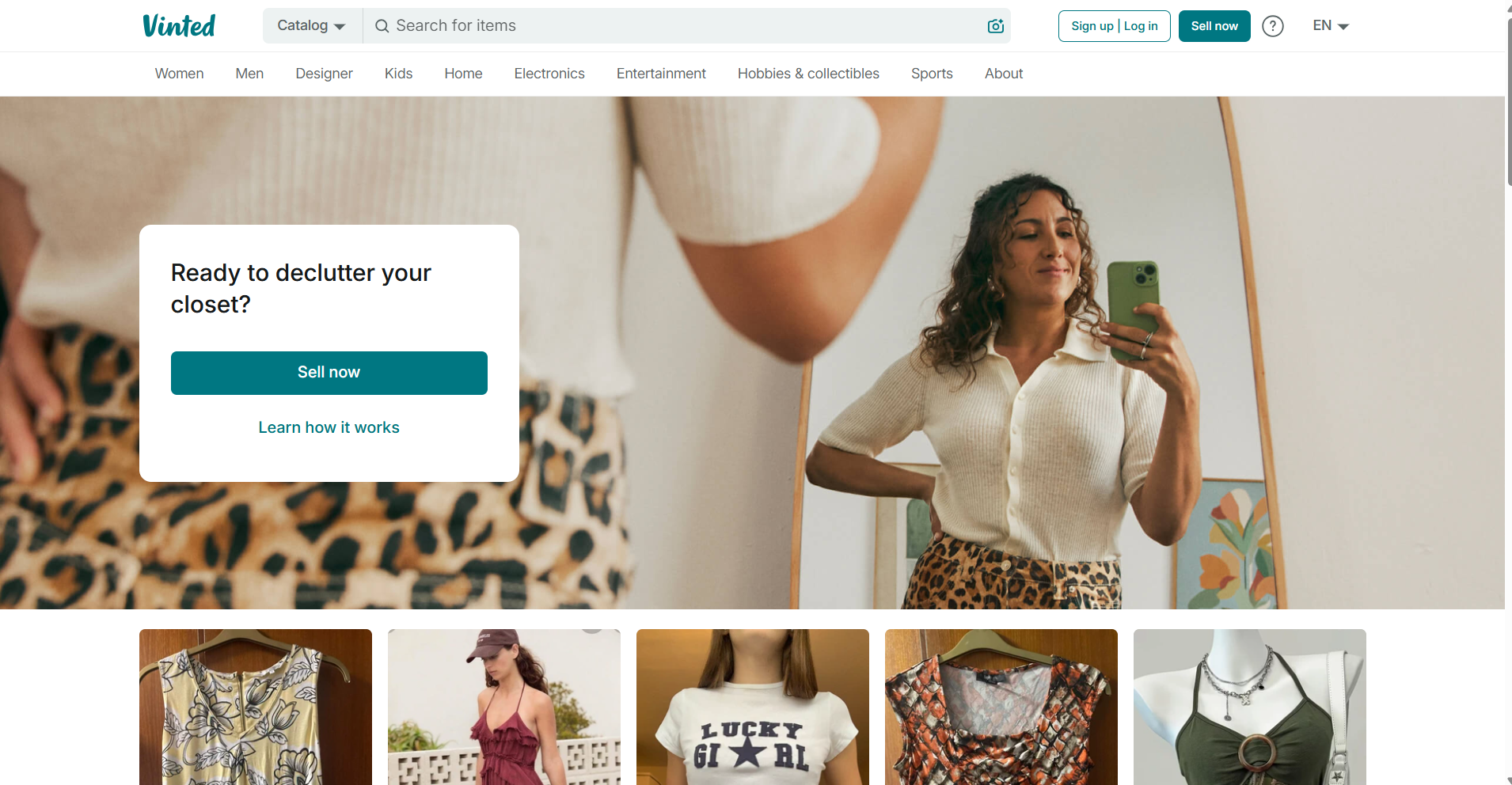
Zero fees for listing and selling? Yes, Vinted got you there. It’s the buyers who will pay the service fee on their end. They also have a version called Vinted Pro for business sellers.
Best for: Sellers who want zero selling fees.
Fees: Zero for sellers, 5% of the item price + a fixed amount of $0.70
Pros: Aside from the zero selling fee for sellers, it’s quick and easy to make a listing on Vinted. Instant sales and profits!
Cons: Limited only to US sellers and buyers
Mercari
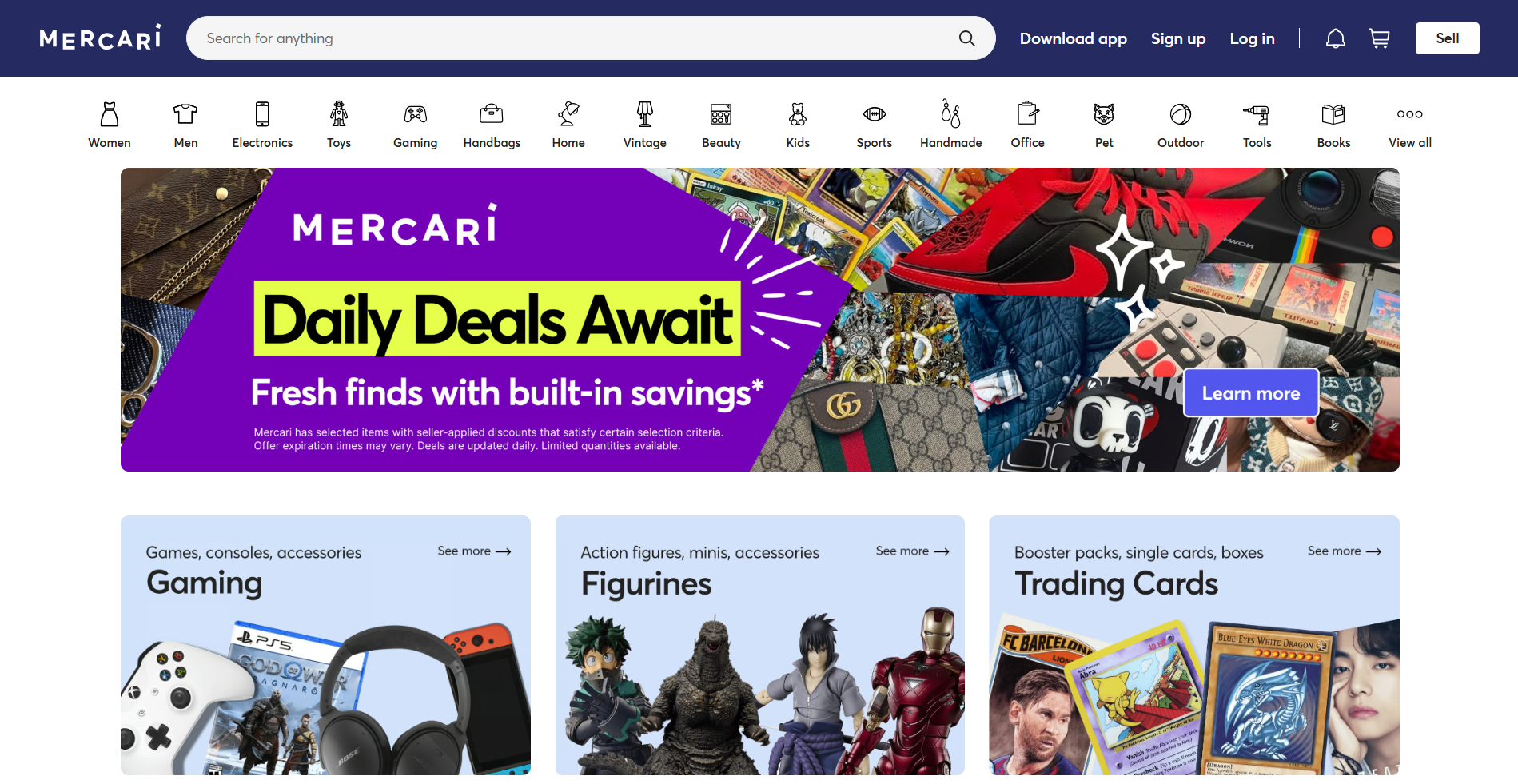
If you sell a lot of stuff besides clothing and accessories, then Mercari’s one of your best alternatives to Depop.
Best for: sellers with varied product inventories; garage sellers
Fees: 10% selling fee for the item price
Pros: Mercari lets you list a wide variety of products, plus they offset flexible shipping options (UPS, USPS or FedEx, shipping may either be handled by buyer or by seller)
Cons: May not be for high-ticket items, as Mercari’s touted as a budget marketplace.
Grailed
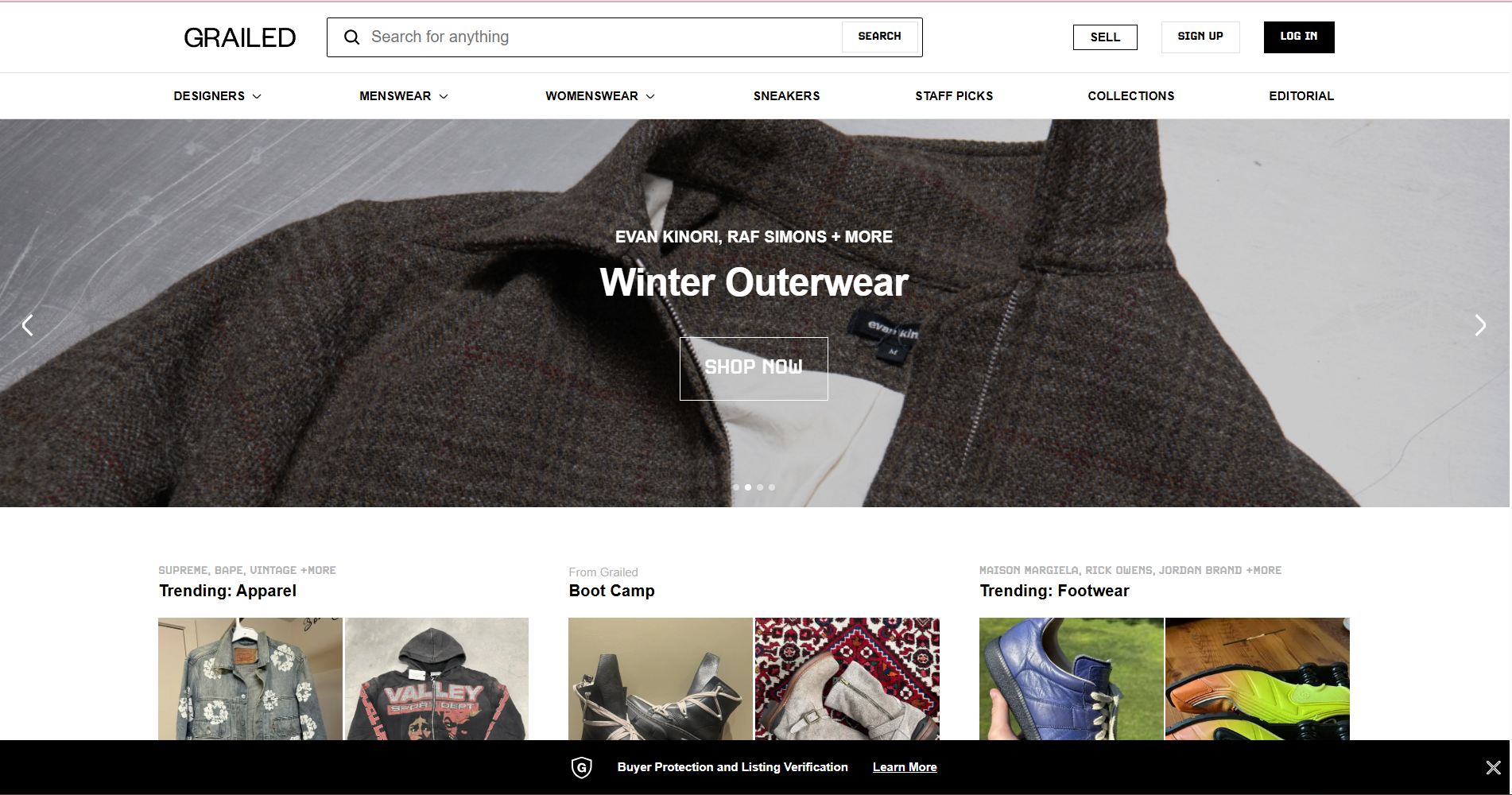
Grailed is best for luxury menswear and streetwear sellers looking to resell online.
Fees: 9% of sale price
Pros: Grailed is a niche marketplace for the said clothing categories. Perfect for fashion-forward sellers and buyers who are interested in luxury pieces and unique streetwear.
Cons: Does not sell other products other than menswear and streetwear.
thredUp
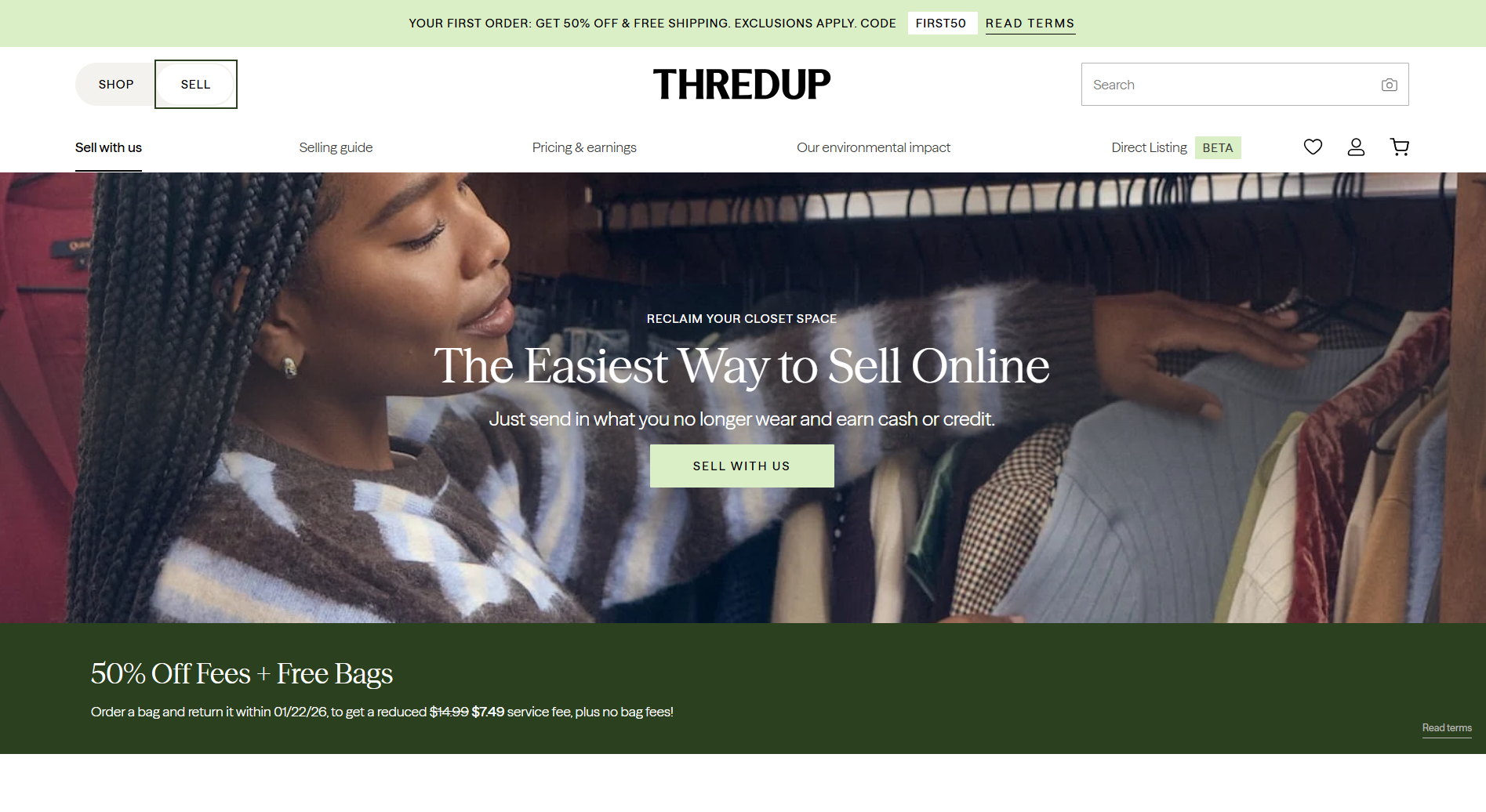
thredUp is a consignment-type marketplace. Consignment means you ship the item to them, and they will sell it for you. Clothes are sent to them in bags. Upon arrival of your bag to thredUp, they will sort and do the listing and pricing themselves.
Best for: High volume of clothing, closet clean-outs; generally anyone who’d like to get rid of many clothes
Fees: $7.49 service for a standard bag, and $34.99 for a premium bag. No bag fees.
Pros: Zero effort on the seller’s part-just send the clothes in bags, and thredUp takes care of everything from sorting, listing, photos, and pricing.
Cons: Seller have no control over pricing, just an approximate amount for each bag (Standard bags range from $10-$60, premium bags $50-150).
Not the best for-profit sellers.
Etsy
Etsy’s perfect for brand-name and vintage sellers.
Fees: $0.20 listing fee, 6.5 % transaction fee for the price set by the seller,
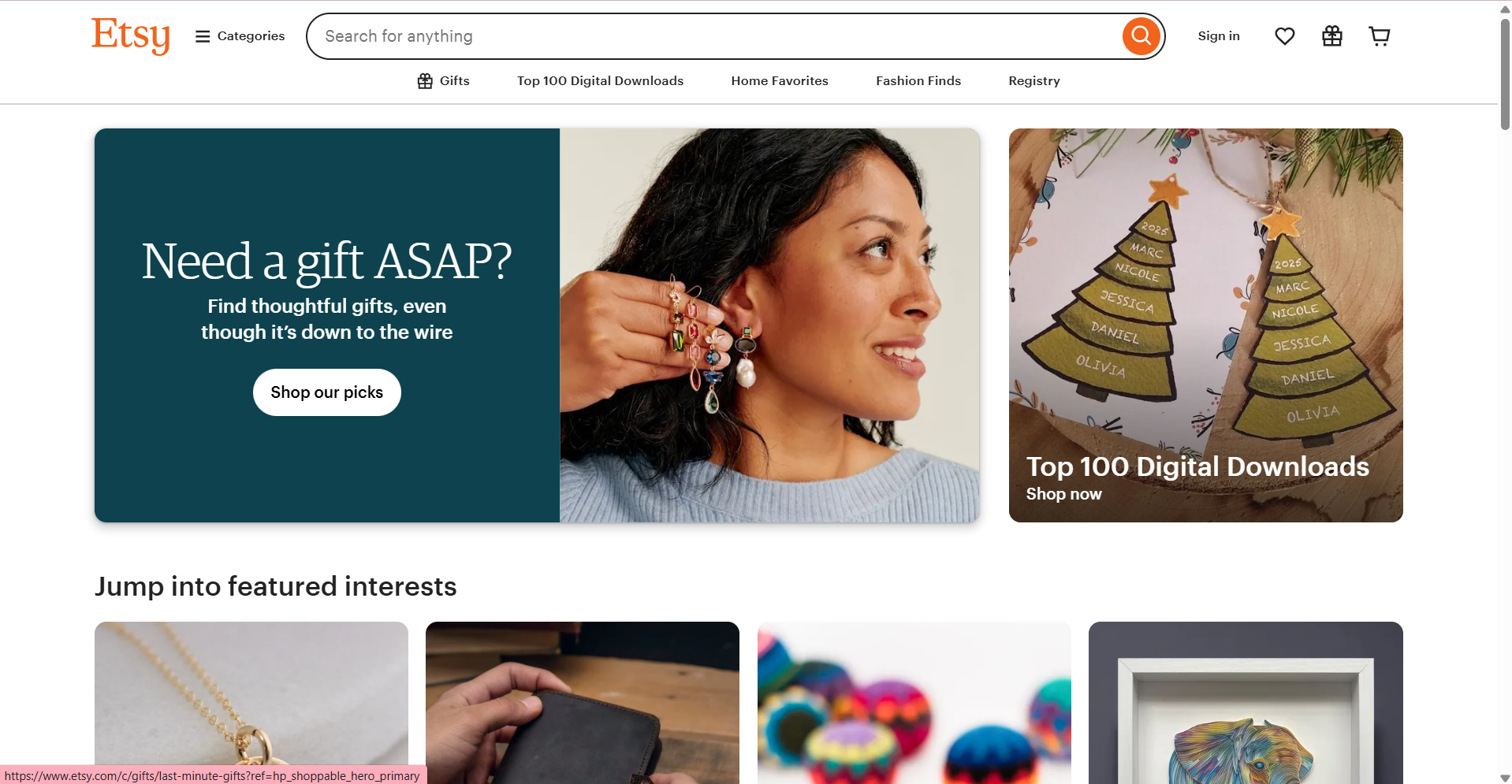
Pros: Etsy is well-known for handmade crafts and vintage items and lets you have your own branded storefront. One can customize their own logos, colors, and storefront appearance. Plus, its established consumer base makes it a reliable selling platform.
Cons: Higher fees which may limit flexibility in selling.
Ebay
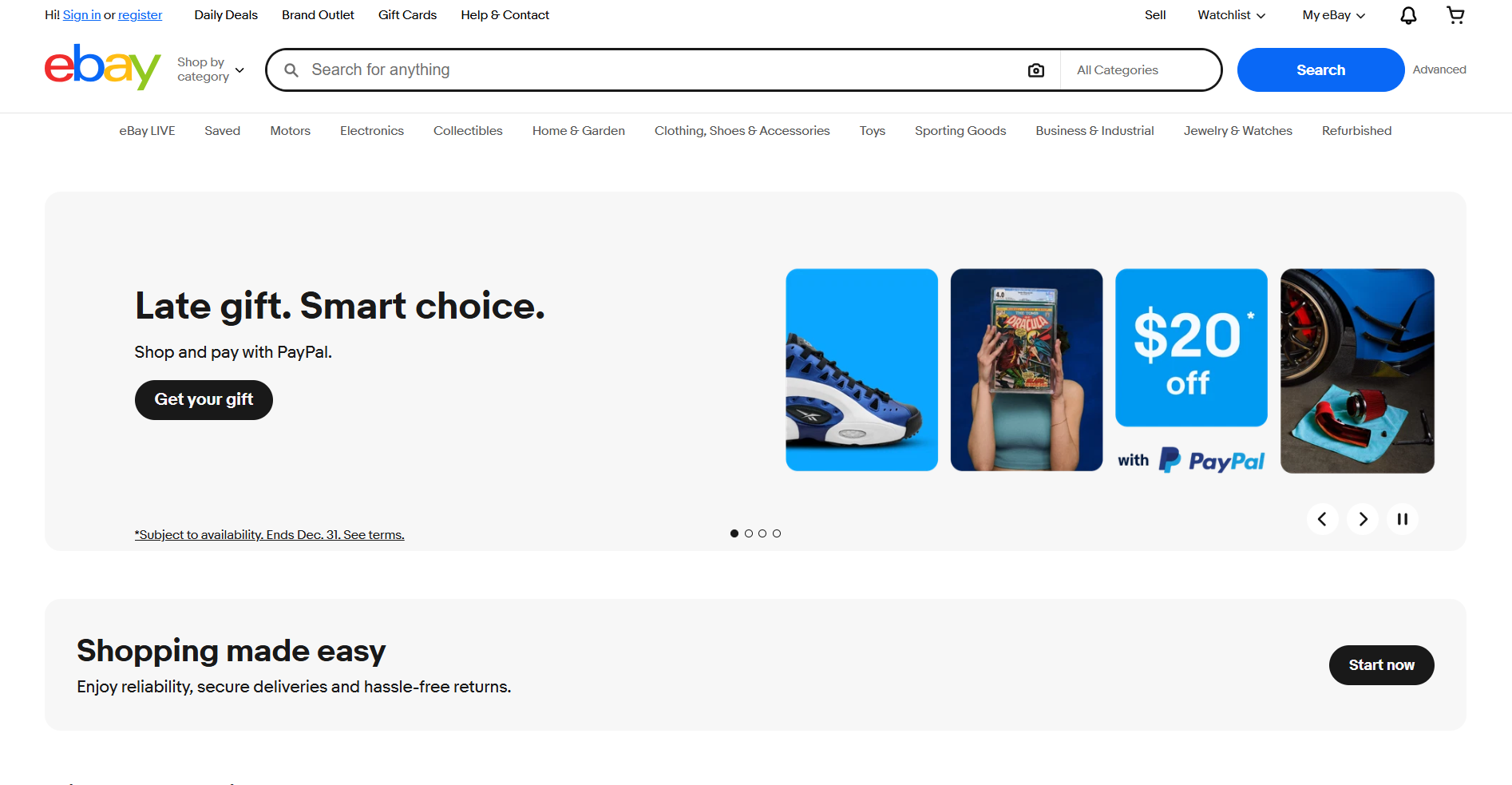
Launching your reselling business globally? Have high volume of items to resell? Then Ebay’s the platform for you.
Fees: Zero fees for casual sellers (less than 250 listings in a month, after which, $0.35 insertion fee per listing; 2.5% to 15.3% value fee, plus a per order fee of $0.30 (for orders $10 below) and $0.40 (for orders above $10)
Pros: Ebay has a global range, so you have a lot oof opportunities to make sales. It also has a lot of selling tools to help you track and review sales in their Seller Hub.
Cons: Fee structure is a bit complex, and depends on category; being a global platform, competition may be stiff at times.
When to use these Depop alternatives
Should you immediately crosslist to these Depop alternatives? The answer lies with you, the seller. However, these are the things you must consider before trying these alternatives:
Selling Goals
What is your goal for selling-making regular profit or looking to earn from a closet clean-out? Casual selling or bulk selling? Choose the app that carters to your goals.
Compare Platform Essentials
Check listing prices, payouts, and shipping. If you’re a more traditional seller, stick to tried-and-tested, established ones. If you like something that’s more like social media, then go for something that lets you engage with buyers.
Match platform culture to your brand
This step will help you boost your sales. You’re better off selling luxury accessories in a platform that caters exclusively for such, rather than in a “bargain” platform.
Test, track and optimize
Go for the old-school trial and error, with a twist. Make use of the seller tools of each platform to boost your earnings. Cross list as much as possible and try to see which one boosted your earnings the most.
Common Risks and Considerations with Apps like Depop
- Scams: All platforms have scams present. Learn to protect yourself by keeping up to date with these scams.
- Oversaturation: The market may be too saturated for your item in one platform and niche in another. Try several to find what’s working best for you.
- Fee structures: Some platforms may have fees that give you lesser payout. Research deeply before registering on a platform.
- Seller protection: Opt for platform with strong seller protection policies in place.
The Bottomline
Depop and its alternative apps helps greatly with online reselling, and there’s no one single app that’s considered the best reselling app of them all. These apps have individual pros and cons that may benefit one seller but discourage another.
The “right” platform will always depend on:
- the kind of inventory you have,
- How much time do you invest in your business, and
- Your audience and growth goals.
Experiment with different platforms to get a good impression of each, and adapt to marketplace changes.
SellRaze helps resellers crosslist to different platforms with just a toggle of a button. Sell with ease, sell with SellRaze.
